Safe Place Faith Community

Elder Abuse
Tips on Hiring a Caregiver:
You can download Santa Sophia's informative article on, "Thinking of Hiring a Caregiver for your Parents -- What you should know before hiring help in the home".
Elder abuse is an intentional act or failure to act that causes or creates a risk of harm to an older adult. An older adult is someone age 60 or older. The abuse occurs at the hands of a caregiver or a person the elder trusts.
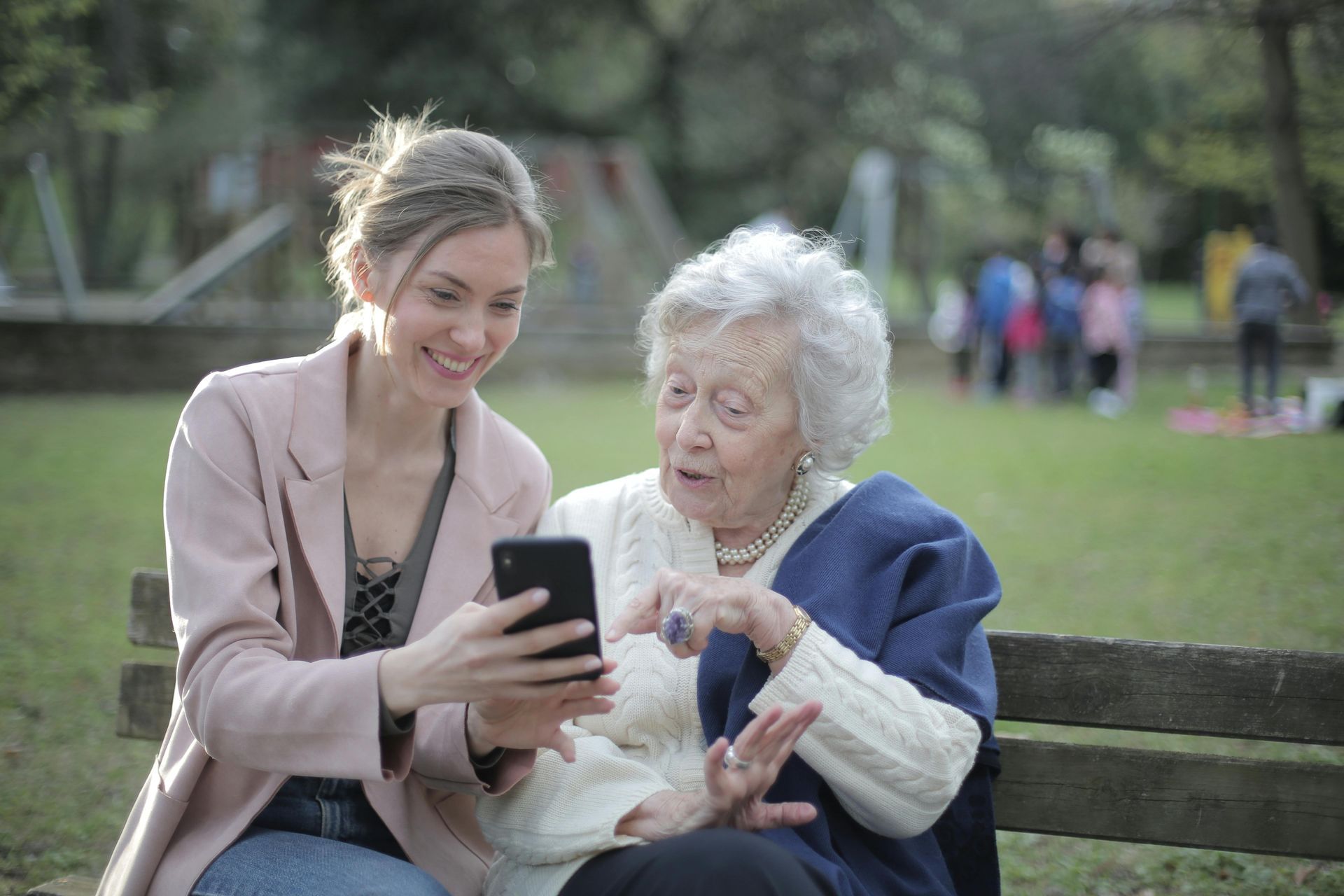

Common Types of Elder Abuse
Physical Abuse is when an elder experiences illness, pain, injury, functional impairment, distress, or death as a result of the intentional use of physical force and includes acts such as hitting, kicking, pushing, slapping, and burning.
Sexual abuse involves forced or unwanted sexual interaction of any kind with an older adult. This may include unwanted sexual contact or penetration or non-contact acts such as sexual harassment.
Emotional or Psychological abuse refers to verbal or nonverbal behaviors that inflict anguish, mental pain, fear, or distress on an older adult. Examples include humiliation or disrespect, verbal and non-verbal threats, harassment, and geographic or interpersonal isolation.
Neglect by Others – Failure to provide the basic care, or services necessary to maintain the health and safety of an adult: this failure can be active or passive. These needs include food, water, shelter, clothing, hygiene, and essential medical care.
Self-Neglect – Refusal or failure to provide himself/herself with adequate food, water, clothing, shelter, personal hygiene, medication (when indicated), and safety precautions.
Financial abuse is the illegal, unauthorized, or improper use of an elder’s money, benefits, belongings, property, or assets for the benefit of someone other than the older adult.
Abandonment – the desertion or willful forsaking by anyone having responsibility for care.
Isolation – Preventing the individual from receiving mail, telephone calls, or visitors.
How to Recognize Abuse
- Lack of basic amenities
- Cluttered, filthy living environment
- Unexplained or uncharacteristic changes in behavior
- Unexplained sexually transmitted diseases
- Unpaid bills, new credit cards and/or increased cash withdrawals
- Harassment, coercion, intimidation, humiliation
- Caregiver isolate elder
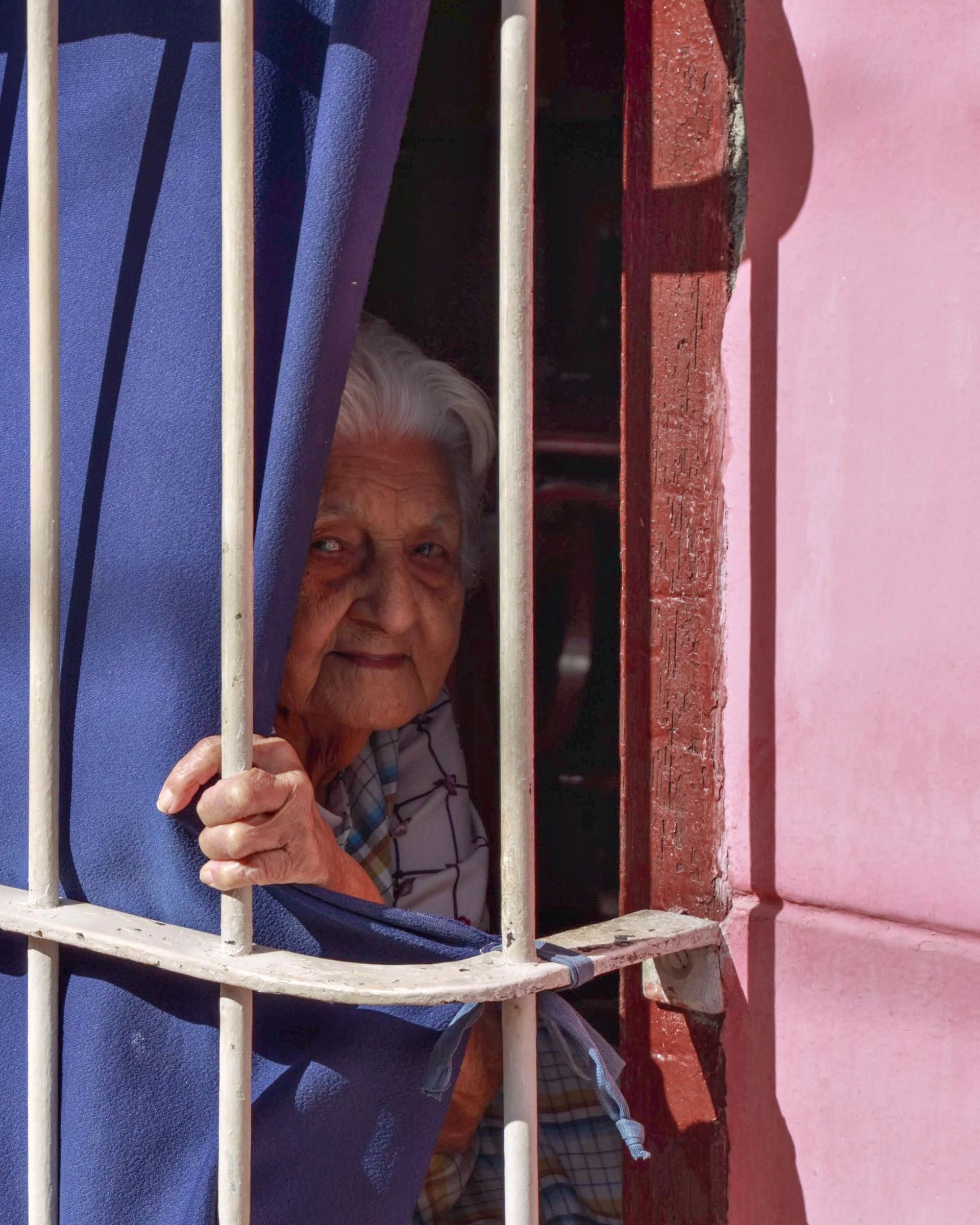
Risk Factors
A history of Spousal abuse
Family power dynamics
Isolation
Troubled relatives, friends, or neighbors
Poor conditions in Elder's institution
Ageism
Lack of understanding of the aging process
Inability to cope with long-term caregiving
Society's acceptance of violence
Barriers to Help and Safety
Fear, Shame, Guilt
Low Self-esteem
Love for the abuser
Lack of or impaired understanding
Acceptance of abuse as normal
Uninformed about available resources
Cultural Considerations
Unique challenges for senior immigrants such as language barriers, social isolation, financial and emotional dependence, cultural taboos, community backlash, desire for privacy
Impaired physical and/or Mental capacity
Lack of transportation
Dependence on medication or other medical services
Reliance on family or outside caregivers
For more information about abuse of older persons, go to:
https://www.cdc.gov/elder-abuse/about/index.html
Need to report abuse or find services for older adults?
To report In-Home Supportive Services (IHSS) provider fraud, call 1(888) 717-8301 or 1(800) 722-0432.
Report elder abuse or find services for older adults and their families by visiting the Elder Care Locator:
https://eldercare.acl.gov/home
You can also access the Locator by calling 1-800-677-1116. The Eldercare Locator is a public service of the U.S. Administration on Aging.
San Diego Adult Protective Services
https://www.sandiegocounty.gov/content/sdc/hhsa/programs/ais/Services/Adult-Protective-Services.html
More Information and Resources
National Council on Aging
https://www.ncoa.org/article/get-the-facts-on-elder-abuse/
Red Flags of Elder Abuse
https://www.justice.gov/elderjustice/red-flags-elder-abuse
Managing Money Problems for People With Dementia
https://www.nia.nih.gov/health/legal-and-financial-planning/managing-money-problems-people- dementia#guard
How to find help responding
to elder financial abuse
https://www.consumerfinance.gov/consumer-tools/educator-tools/resources-for-older-adults/elder-abuse-resources/